Monsoon Dog Care in India: Skin, Ears, Ticks & Paw Hygiene
India's monsoon brings fungal infections, ear disease and tick explosions. Practical daily routines to keep your dog healthy through the wet season.
Pet Care Tips Editorial8 min read
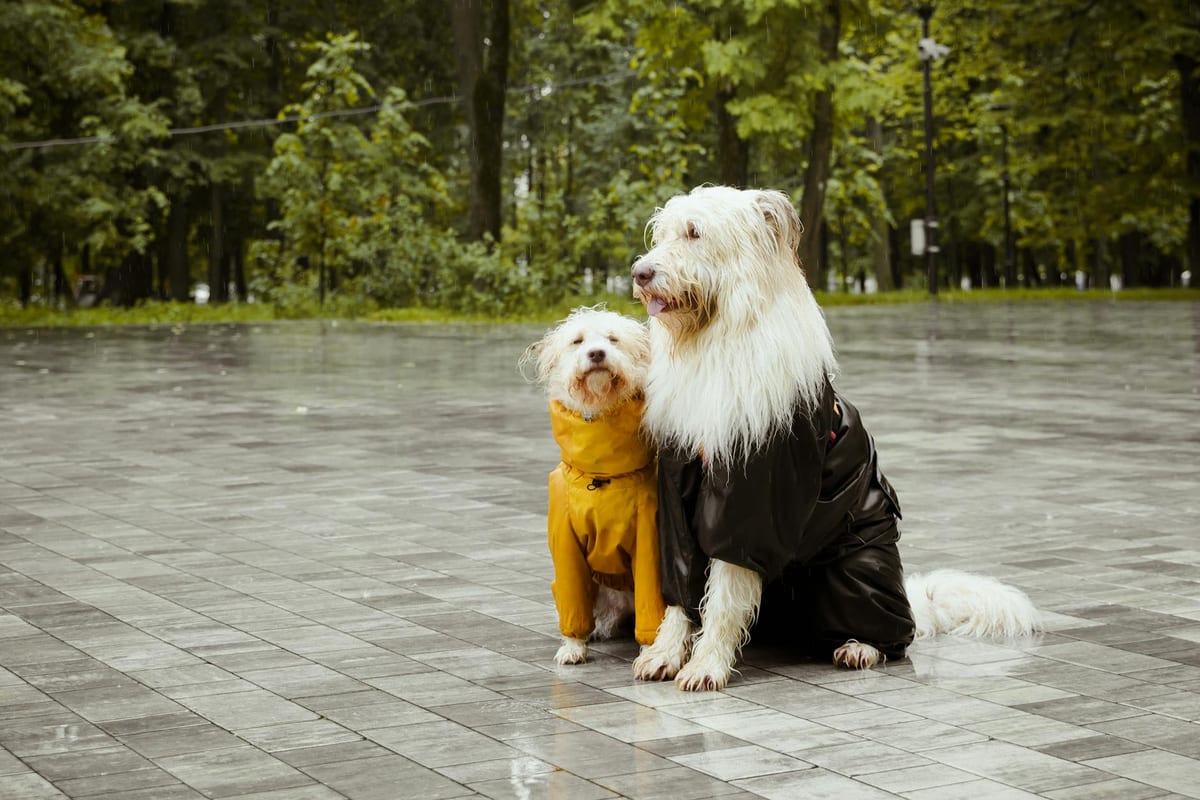
The first week of monsoon is always a relief — the heat breaks, the air cools, and dogs that had been listless during peak summer suddenly want to run again. The trouble arrives by week two. Wet fur, damp paws, mud between the toes, water pooling near the sleeping area — the same rain that cools your dog down also creates the conditions for fungal skin infections, ear problems, tick explosions, and paw disease that can keep your dog at the vet for weeks.
Monsoon dog care is not complicated. It takes about five extra minutes per walk and a few weekly checks. The difference between a dog that sails through July and one that spends August scratching, shaking their head, and limping is almost entirely those five minutes.
Skin Infections: The Biggest Monsoon Risk
Fungal and bacterial skin infections spike in India from June through September. Warm, humid air combined with a dog that spends time wet — from rain, puddles, or damp ground — creates a near-perfect culture medium for Malassezia yeast and Staphylococcus bacteria on the skin surface.
Common signs to watch for:
- Constant licking or chewing at specific areas (paws, belly, groin, armpits)
- Redness or rash on the skin folds, belly, or between the toes
- A musty or sour smell from the coat even after bathing
- Flaky skin or patchy fur loss
- Hot, swollen spots ("hot spots") that appear suddenly
Hot spots in particular can escalate from a small red patch to a weeping, infected lesion within 24 hours on a dog that scratches at it. If you see one forming, clip the fur around it, keep it clean and dry, and call your vet — do not wait. Hot spots that are caught early take a few days to resolve with appropriate treatment; ignored hot spots sometimes require sedation to clean and dress.
The prevention is drying your dog properly after every walk and bath. Every part of the dog — not just the top coat. The armpits, groin, between the toes, under the tail, and inside any skin folds. A double-coated dog whose outer coat feels dry can still have a wet undercoat pressed against the skin for hours. Use a microfibre towel first, then a low-heat dryer or a fan if available.
Ear Infections During Monsoon
Ear infections are the second most common monsoon complaint for dogs. Floppy-eared breeds — Cocker Spaniels, Beagles, Golden Retrievers, Labradors — trap moisture inside the ear canal. The warm, dark, damp interior is exactly where Malassezia thrives.
Check your dog's ears twice a week from June onwards. The inside of the ear flap should be pale pink and odour-free. A dark waxy discharge, a yeasty smell, head shaking, scratching at one ear, or the dog tilting their head are all signs of an ear infection. Do not pour anything into a dog's ear canal at home without veterinary guidance — the canal is L-shaped and products pushed in incorrectly can make things worse.
What you can do at home: keep the inside of the ear flap dry after walks, do not allow water into the ear canal during baths (cotton wool in the ear opening during bath time helps), and trim any long fur around the ear opening that wicks moisture inward. If signs of infection appear, see your vet for an ear swab and the appropriate treatment. Ear infections that are not resolved properly tend to recur.
Ticks and Fleas: Why Monsoon is the Worst Season
Ticks thrive in warm, humid conditions. In much of India, the tick population peaks from July to September — exactly the months when dogs are walking through wet grass, garden undergrowth, and areas where wildlife passes through. An untreated tick infestation can cause anemia in small dogs and transmit tick fever (ehrlichiosis, babesiosis) that can be serious and even fatal.
A thorough tick check after every outdoor session is essential during monsoon. Run your fingers through the coat against the grain, paying attention to the areas ticks prefer: around the ears, between the toes, in the groin and armpit folds, around the collar line, and under the tail. Ticks are most easily found when engorged, but attached nymphs are tiny. If you find a tick, use fine-tipped tweezers to grasp it as close to the skin surface as possible and pull upward steadily without twisting. Do not burn, apply oil, or crush it. Read our full guide on tick prevention in dogs for the complete approach.
If your dog's current tick and flea prevention is due for renewal, monsoon is the worst time to miss it. Products like Bravecto (12-week oral) and monthly spot-ons are available in India and provide continuous protection — the right time to apply or dose is before the tick season peaks, not after you find one. Consult your vet on the best option for your dog's size and health status.
Paw Hygiene: The Five-Minute Routine
This single habit prevents more monsoon problems than anything else: rinse and dry your dog's paws after every walk, every single day through the wet season.
Monsoon streets in Indian cities carry stagnant water, sewage overflow, fertiliser runoff from gardens, and chemical residue from roads. Your dog walks through all of it and then licks their paws — that contact is a route for both topical infection and ingestion of toxins. A shallow paw wash (a container of clean water, or a quick rinse at the door tap) takes under a minute and removes most of the risk.
After rinsing:
- Dry between the toes completely. Use your fingers and a dry cloth. Moisture trapped in the toe webs causes fungal interdigital cysts.
- Check for any cuts or abrasions while drying. Small cuts picked up on wet roads get infected quickly in humid conditions.
- If your dog's pads are already cracked from the summer heat (read our paw burns and summer paw care guide), apply a thin layer of coconut oil before bed to help seal the cracks before they worsen.
Trim the fur between the toes if it is long — this is the main reservoir for trapped moisture on thick-coated breeds. A monthly trim with blunt-nosed scissors keeps paw hygiene manageable without a grooming appointment.
Managing Walks When It Rains Heavily
Dogs still need exercise during monsoon — skipping walks entirely for weeks creates its own problems. The approach is practical adaptation, not avoidance.
Walk on dry paths where possible. Avoid puddles of unknown depth, open drains, and water-logged areas near construction sites (which often contain lime, cement, or other irritants). A dog that wades repeatedly through stagnant water is absorbing a contact irritant with every step.
For dogs that find rain walks unpleasant, a waterproof raincoat reduces the amount of wet fur to dry post-walk and keeps the core coat dry — which matters for breeds like German Shepherds and Golden Retrievers whose dense undercoat stays wet for hours without protection. Check our guide to the best dog raincoats for India's monsoon for sized and waterproofed options.
On heavy rain days when outdoor walks are genuinely impractical, indoor play — fetch down a corridor, hide-and-seek, training sessions — burns energy without the mud. Most dogs adjust within a few days.
Diet and Hydration in Monsoon
A common mistake: dogs drink less water in monsoon because the weather is cooler and they feel less thirsty. Hydration still matters, and the change in atmospheric humidity can mask it. Keep the water bowl fresh and full regardless of the season.
Wet food or adding a small amount of water to dry kibble is a practical way to support hydration through the wet months for dogs that are not enthusiastic drinkers. Ask your vet before making significant diet changes, especially for dogs with existing kidney or urinary tract concerns.
Appetite changes are common in heavy rain periods — some dogs eat less when they are inactive or stressed by thunder. A few missed meals during a storm are not a cause for concern. Persistent appetite loss lasting more than 48 hours is worth a vet call.
Vaccination: Leptospirosis Is a Real Risk
Leptospirosis — a bacterial infection spread through water contaminated by infected animal urine — spikes in India during and after monsoon. Flooded streets, rat populations driven up by rising water, and dogs wading through puddles is a high-exposure combination. Leptospirosis can be fatal in dogs and is transmissible to humans.
The leptospirosis vaccine is available in India and is often included in combination annual boosters. Check your dog's vaccination card before monsoon. If they are overdue or the leptospirosis component is missing, talk to your vet before the rains arrive — not during them. This is one vaccination worth prioritising specifically for the Indian context.
Quick Monsoon Prep Checklist
- Tick and flea prevention: renewed and up to date
- Annual vaccinations: current, with leptospirosis covered
- Ear check: weekly, especially for floppy-eared breeds
- Paw rinse and dry: after every walk
- Paw fur trimmed: monthly
- Sleeping area: off the floor if possible, away from damp walls or floors
- Coat dried: fully, including undercoat, after every wet outing
- Walk timing: avoid peak downpours; adjust to lighter rain windows
Also read: Dog Heatstroke in India: Emergency Guide | Hot Pavement and Paw Burns | Tick Prevention in Dogs | Best Dog Raincoats for Monsoon India
Frequently asked questions
- How do I protect my dog's skin during the Indian monsoon?
- Dry your dog completely after every walk — including the undercoat, armpits, groin, between the toes, and under the tail. A double-coated dog whose outer coat feels dry can have a wet undercoat against the skin for hours. Prompt, thorough drying after every wet outing prevents most fungal and bacterial skin infections.
- Why do ear infections increase in dogs during monsoon?
- Floppy ears trap moisture in the warm, dark ear canal — an ideal environment for Malassezia yeast. Check your dog's ears twice a week from June onwards for dark waxy discharge, a yeasty smell, or head shaking. Keep the inside of the ear flap dry and trim fur around the ear opening. Do not pour anything into the ear canal without veterinary guidance.
- Are ticks worse during monsoon in India?
- Yes. Tick populations peak in warm, humid conditions — July to September across much of India. Dogs walking through wet grass and undergrowth are at high exposure. Do a full-body tick check after every outdoor session during monsoon, paying attention to ears, groin, armpits, and between toes. Ensure tick prevention (spot-on or oral) is current before the season begins.
- Should I vaccinate my dog against leptospirosis before monsoon?
- Leptospirosis is a real risk in India during and after monsoon — spread through water contaminated by infected animal urine, including from the rat populations that surge with flooding. The vaccine is available in India, often as part of a combination booster. Check your dog's vaccination card before the rains and consult your vet if the leptospirosis component is overdue.
- How do I care for my dog's paws during monsoon?
- Rinse and dry your dog's paws after every walk throughout the wet season. Dry between the toes completely to prevent fungal interdigital cysts. Check for small cuts while drying — wet road conditions cause minor abrasions that infect quickly in humid weather. Trim the fur between the toes monthly. If pads are cracked from summer heat, apply coconut oil before bed to help seal the cracks.
More on Dogs
Drools vs Pedigree 2026: Which Dog Food Is Better?
Drools Focus wins on ingredients at ~₹420/kg; Pedigree wins on price at ~₹165-240/kg. They are two tiers apart — compare within a tier, not across brands.
· 8 min read
Smart Heart Dog Food Review (India 2026): Price & Verdict
Is SmartHeart dog food any good? Honest India review: the cheapest branded kibble at ~₹125-150/kg, grain-led, fine for a healthy adult. Price table + verdict.
· 7 min read
Best Dog Bed in India (2026): Types, Sizes & Top Picks
The best dog bed in India fits your dog's size and the heat: orthopedic foam for seniors, an elevated cooling bed (~₹1,772) for summer. Size guide, types & 2026 picks.
· 7 min read