Dog Heatstroke in India: Signs, First Aid & Prevention
Spot dog heatstroke early, apply safe cooling first aid, and prevent it with India-specific summer routines. Complete emergency guide for Indian pet parents.
Pet Care Tips Editorial7 min read
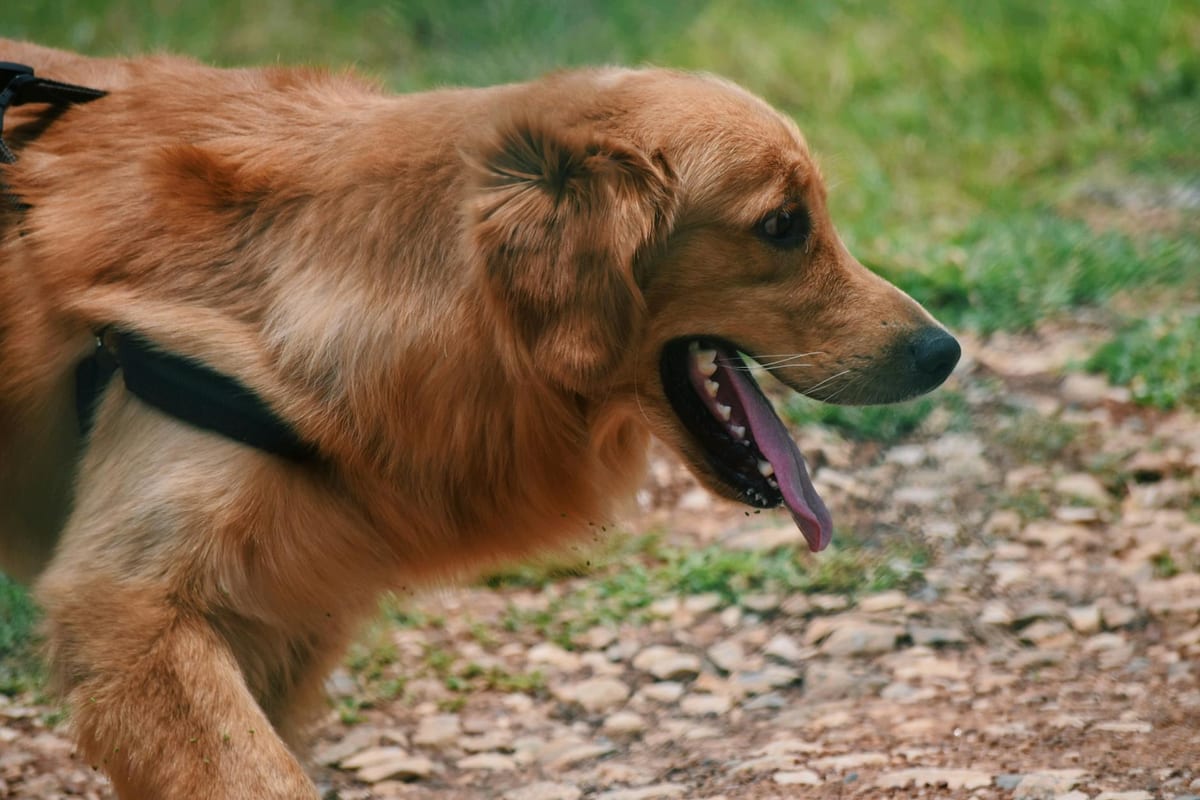
A dog collapsed in a Delhi apartment stairwell last May. The owner had left the windows shut for two hours during a 42°C afternoon. By the time they found him, his gums were pale, his breathing was labored, and he could not stand. He survived — but only because the nearest vet was three minutes away and the owner knew not to give ice water.
Heatstroke in dogs is fast and lethal. Dogs do not sweat through their skin the way humans do. They release heat almost entirely through panting, and when the air temperature approaches body temperature, that mechanism stops working. In Indian cities from March through June — and in some years through September — the risk is real for every breed, not just the thick-coated imports.
Which Dogs Are at Highest Risk
Every dog can overheat. These dogs overheat fastest:
- Brachycephalic breeds — Bulldogs, Pugs, Shih Tzus, Pekingese. A shortened airway means restricted airflow. They pant less efficiently and reach dangerous temperatures in minutes when confined or exercised in heat.
- Cold-climate breeds — Siberian Huskies, Samoyeds, Saint Bernards, Tibetan Mastiffs. Their double coats were built for sub-zero temperatures. A Husky in Chennai in May is physiologically stressed even indoors without air conditioning.
- Overweight dogs. Extra body mass generates more heat and makes cooling harder. Labradors and Beagles — two of India's most overfed popular breeds — are frequently at risk.
- Puppies under 6 months and dogs over 8 years. Temperature regulation is imprecise at both ends of the age range.
- Dogs with recent illness or on certain medications. A dog recovering from a fever or infection has a compromised cooling response.
Mixed-breed Indian dogs are generally better adapted to local heat than imported breeds, but they are not immune. An indie dog locked in a car or run hard at noon in Chennai is just as vulnerable.
Warning Signs: What to Watch For
Heatstroke progresses in stages. Catching it early is the difference between a cooling towel and an emergency IV drip.
Early warning (act now — do not wait):
- Excessive, loud panting — faster and louder than after normal exercise
- Thick, ropy saliva (not the thin drool of a normal hot pant)
- Restlessness, seeking shade or cool surfaces urgently
- Bright red gums and tongue
- Body temperature above 39.5°C (103°F)
Serious — move immediately to emergency first aid and call your vet:
- Pale, grey, or white gums
- Vomiting or diarrhoea, sometimes with blood
- Stumbling, staggering, uncoordinated movement
- Glazed, unfocused eyes
- Collapse or inability to stand
- Seizures
Do not wait for multiple symptoms. If your dog's gums are pale and they are panting loudly in the heat, that is already an emergency.
Emergency First Aid: Stabilise Before You Drive
The goal of first aid is to lower the dog's temperature quickly and safely while you arrange veterinary care. First aid does not replace a vet — a dog with serious heatstroke needs IV fluids, monitoring, and treatment for secondary complications that no home intervention can provide.
Step 1: Move them out of the heat immediately. Get the dog indoors, into air conditioning or shade. Do not carry them in a confined, hot car — if you must drive, run the AC on maximum from the moment you start.
Step 2: Apply cool (not cold) water. Wet the dog's paws, neck, armpits, and groin with cool tap water. These are areas with superficial blood vessels where cooling is fastest. Use a damp towel or pour water slowly over the coat. Remove or loosen any collar or harness.
Step 3: Do not use ice or ice-cold water. This is the single most common mistake. Ice or very cold water causes peripheral blood vessels to constrict, which traps heat in the body core instead of releasing it. Use water that is cool to the touch — roughly 20–25°C.
Step 4: Offer small sips of cool water. If the dog is conscious and can swallow, let them drink small amounts. Do not force water — if they are not swallowing reliably, do not pour water into their mouth.
Step 5: Fan the wet dog. A fan over a wet coat accelerates evaporative cooling significantly. A ceiling fan, a desk fan, or even someone fanning with a magazine works. This step is often underestimated.
Step 6: Get to a vet. Even if the dog appears to recover, go to the vet. Heatstroke causes internal organ damage — kidneys, liver, and clotting systems — that may not show symptoms for hours. A dog that seems fine after cooling can deteriorate and die within 24 hours without treatment.
The rule: Cool first, transport second. Two minutes of cooling before you drive can prevent the dog's temperature rising further in a hot car. But do not spend 20 minutes cooling at home — limit first aid to 5–10 minutes, then get moving.
How to Check Your Dog's Temperature at Home
A digital rectal thermometer is inexpensive and gives you the clearest picture of whether your dog is in danger. Normal dog temperature is 38–39°C (100.4–102.2°F). Above 40°C (104°F) is hyperthermia. Above 41.5°C (106.7°F) is a life-threatening emergency.
Lubricate the tip with a small amount of petroleum jelly, insert 2.5 cm into the rectum, wait for the beep. Most digital thermometers give a reading in under 30 seconds. Keep one in your pet first-aid kit — checking temperature takes less time than guessing.
Preventing Heatstroke in Indian Conditions
Prevention is considerably simpler than emergency management.
- Adjust walk timing. In May and June across most of India, walk before 7 am or after 7 pm. The pavement is still hot after sunset, but air temperature drops meaningfully. Midday walks between 11 am and 4 pm are dangerous and unnecessary.
- Never leave a dog in a parked car. A car with windows cracked in 38°C heat reaches 55°C inside within 20 minutes. Ten minutes is enough time for a small dog to collapse.
- Ensure shade and ventilation at home. If your dog spends time in a balcony or terrace, they need shade access at all hours — not just at noon. A tethered dog with no shade access is at high risk.
- Provide fresh, cool water at all times. Change the water bowl twice daily in summer. Bacteria grow fast in a warm bowl, and dogs drink less when the water is stale or warm.
- Consider a cooling mat. A pressure-activated gel mat drops the surface temperature by 5–8°C. For dogs that spend time indoors without AC, a good cooling mat placed in shade near a fan makes a real difference. See our guide to the best dog cooling mats available in India.
- Groom appropriately — but do not shave double coats. A light trim before summer reduces heat retention. Shaving a double-coated breed (Husky, GSD, Labrador) removes the insulating layer that also blocks UV radiation and can worsen overheating rather than help it. Ask your groomer for a summer de-shed and thinning — not a shave.
Heatstroke Myths Worth Clearing Up
"My dog will know when to stop." They will not, reliably. Dogs will run alongside you until they collapse, especially working breeds and ball-obsessed Labradors. It is your responsibility to stop the session before they overheat.
"Ice water cools them faster." It does not. As explained above, it causes vasoconstriction and slows core cooling. Cool tap water is safer and more effective.
"Indian breed dogs don't get heatstroke." They are more tolerant of heat than Huskies or Bulldogs, but indie dogs working in the sun, chained without water, or left in a car get heatstroke. The risk is lower, not zero.
What Your Vet Will Do
A vet treating heatstroke will typically give IV fluids to rehydrate and support organ function, may run blood tests for kidney and liver damage, and will monitor for disseminated intravascular coagulation (DIC) — a serious clotting complication that can develop 12–24 hours after the heat event. Some dogs need hospitalisation for 24–48 hours. Others recover quickly with prompt treatment. The prognosis depends almost entirely on how fast the dog received professional care.
If your regular vet is closed, go to the nearest emergency animal clinic. Do not wait for morning.
Also read: How to Keep Your Dog Cool in Summer | Best Dog Cooling Mats in India | Hot Pavement and Paw Burns: Protecting Your Dog's Paws | India Monsoon Dog Care Guide
Frequently asked questions
- What are the warning signs of heatstroke in dogs?
- Early signs include loud, excessive panting, thick ropy saliva, restlessness, and bright red gums. Serious signs — requiring immediate veterinary attention — include pale or white gums, vomiting, staggering, glazed eyes, and collapse. If your dog's gums are pale and they are panting heavily in the heat, treat it as an emergency.
- What should I do if my dog has heatstroke in India?
- Move the dog to shade or indoors immediately. Apply cool (not cold or icy) water to the paws, armpits, groin, and neck. Fan the wet dog to accelerate evaporative cooling. Offer small sips of cool water if the dog is conscious and swallowing reliably. Then get to a vet — even if the dog appears to recover, heatstroke causes internal organ damage that needs professional assessment. Limit home first aid to 5–10 minutes before transporting.
- Why should I not use ice water for dog heatstroke?
- Ice or very cold water causes peripheral blood vessels to constrict, which traps heat in the body's core rather than releasing it. Cool tap water (approximately 20–25°C) is safer and more effective. This is one of the most common — and dangerous — mistakes pet owners make.
- Which dog breeds are most at risk of heatstroke in India?
- Brachycephalic breeds (Bulldogs, Pugs, Shih Tzus) are highest risk because their shortened airways restrict panting. Cold-climate breeds (Siberian Huskies, Samoyeds, Saint Bernards) are physiologically stressed by Indian summer temperatures. Overweight dogs, puppies under 6 months, and dogs over 8 years also overheat faster than healthy adult dogs.
- How do I prevent heatstroke in my dog during Indian summer?
- Walk before 7 am or after 7 pm. Never leave a dog in a parked car — temperatures inside reach 55°C within 20 minutes in Indian summer heat. Ensure access to shade and fresh water at all times. A cooling mat placed in shade near a fan provides meaningful temperature relief indoors. Do not shave double-coated breeds — their coat also blocks UV radiation.
More on Dogs
Drools vs Pedigree 2026: Which Dog Food Is Better?
Drools Focus wins on ingredients at ~₹420/kg; Pedigree wins on price at ~₹165-240/kg. They are two tiers apart — compare within a tier, not across brands.
· 8 min read
Smart Heart Dog Food Review (India 2026): Price & Verdict
Is SmartHeart dog food any good? Honest India review: the cheapest branded kibble at ~₹125-150/kg, grain-led, fine for a healthy adult. Price table + verdict.
· 7 min read
Best Dog Bed in India (2026): Types, Sizes & Top Picks
The best dog bed in India fits your dog's size and the heat: orthopedic foam for seniors, an elevated cooling bed (~₹1,772) for summer. Size guide, types & 2026 picks.
· 7 min read