Hot Pavement and Dog Paw Burns: India Summer Guide
Learn the 7-second pavement test, how to spot paw pad burns, first aid steps, safe walk timing for Indian cities, and a daily summer paw care routine.
Pet Care Tips Editorial7 min read
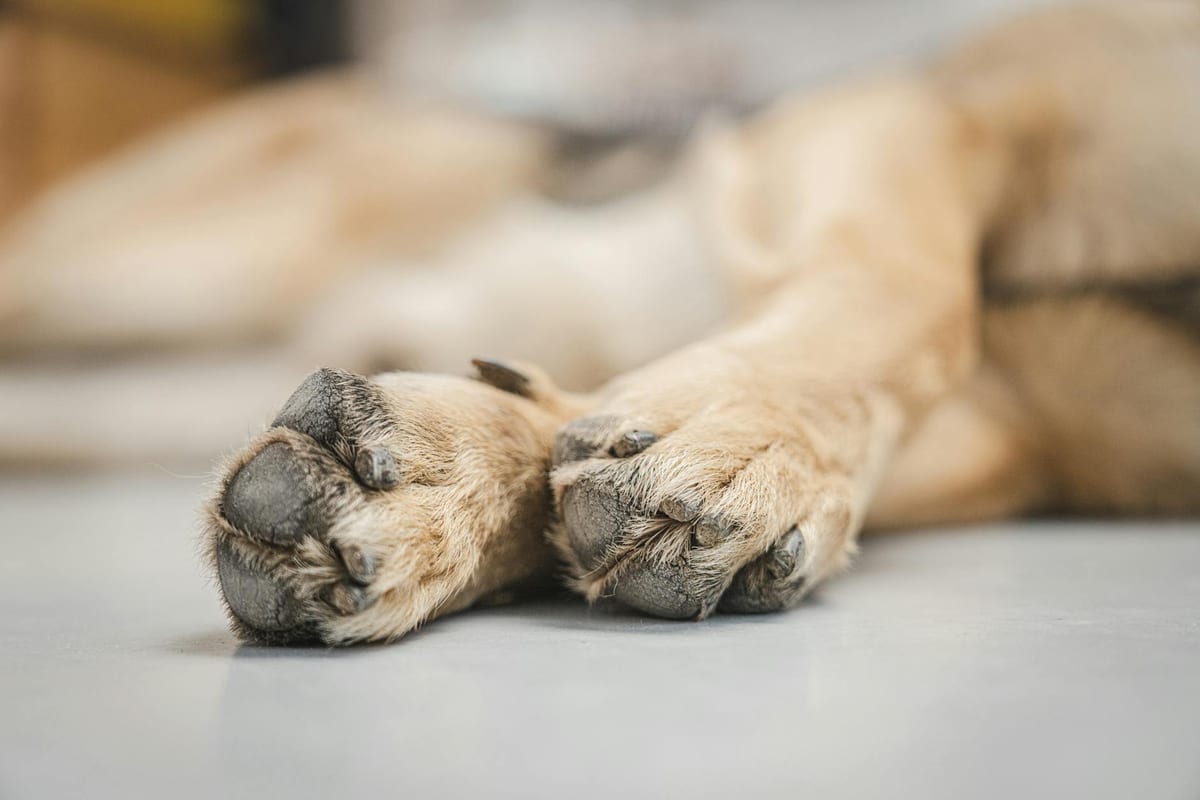
The road surface in a Bengaluru residential area at 2 pm in May can reach 60–65°C. Dog paw pads are tough — tougher than human skin — but they are not immune to a surface that will blister a bare human foot in seconds. Five minutes on hot tarmac is enough to cause second-degree burns on a dog's pads.
Most Indian dog owners do not realise this is happening until they see their dog limping, licking their feet obsessively, or stopping mid-walk and refusing to move. By that point, the damage is done.
The Seven-Second Test
Before you take your dog out for a walk, press your bare palm flat on the pavement and hold it there for seven seconds. If you cannot keep your hand down comfortably for the full seven seconds, the surface is too hot for your dog's paws.
This test takes three seconds and has one clear answer. Do it every time during Indian summer — not just on obviously hot days. Overcast days trap heat in the surface. Asphalt and concrete absorb heat and stay hot well into the evening, sometimes until 8 or 9 pm in cities like Chennai, Hyderabad, and Nagpur.
Signs of Paw Pad Burns in Dogs
Paw burns are often missed because they happen during the walk — the dog may not cry out — and symptoms develop gradually over hours.
- Limping on one or more legs after a walk
- Excessive licking or chewing of the paw pads
- Pads that appear red, darkened, or blistered on close inspection
- Pads that feel unusually warm when touched
- Raw or peeling sections of the pad surface
- Your dog refusing to walk or stopping and sitting down mid-route
A dog that stops and refuses to move during a walk is telling you something. Do not pull them forward. Carry them if you can, or turn back immediately on grass if available.
What to Do If Your Dog Has Burned Paws
Paw burns range from mild surface redness to deep tissue damage. For anything beyond minor redness, a vet visit is the right call — pad tissue is complex and heals poorly when infected.
For mild cases (red, slightly warm pads, no blistering):
- Move the dog off the hot surface immediately onto grass or cool tile.
- Rinse the pads gently with cool (not cold) water for several minutes.
- Do not apply butter, oil, toothpaste, or any home remedy to open or raw skin — these can trap heat or introduce bacteria.
- Prevent the dog from licking the pads by using an Elizabethan collar (cone) if needed.
- Rest the dog on a cool surface indoors for the remainder of the day.
See a vet if:
- Pads are blistered, peeling, or showing raw tissue
- The dog is limping after 24 hours of rest
- The pads appear dark, black, or necrotic
- Your dog is refusing to bear weight on the affected paw
Burns to paw pads heal slowly — two to three weeks for minor burns, longer for deeper ones — because dogs cannot stay completely off their feet. Your vet may recommend bandaging, topical treatment, and pain relief. Do not attempt to bandage deep burns at home without guidance; an incorrectly applied bandage on a foot gets wet immediately and creates ideal conditions for infection.
When Are Indian Pavements Safe to Walk?
The general rule for Indian summer months (March through June, and in southern cities like Chennai through September): walk before 7 am or after 7 pm. That said, some surfaces hold heat longer than others.
| Surface type | Heats up | Cools down | Safer from/until |
|---|---|---|---|
| Dark asphalt / tarmac | Very fast | Slowly — holds heat 3–4 hrs after sunset | Before 7 am / after 8 pm |
| Concrete (footpath) | Moderately fast | Faster than asphalt | Before 7:30 am / after 7:30 pm |
| Paver tiles / red oxide | Moderate | Moderate | Before 8 am / after 7 pm |
| Grass / mud / sand | Slow | Fast | Generally safe outside peak noon hours |
If your usual walking route is all asphalt with no grass verge, change the route before you change the timing. A park or a tree-lined road with grass edges is meaningfully safer than a baking divider road even at the same time of day.
Do Dog Boots Actually Help?
Yes, if your dog will wear them. That last part is the challenge.
Dog boots with a rubber sole provide a genuine physical barrier between the paw and a hot surface. Some dogs accept them within a week of slow, positive introductions; others find them intolerable. If you want to try:
- Introduce them at home over several days before a walk. Let the dog sniff them, touch them to the paw, then briefly strap one on with a treat reward. Build up gradually.
- Fit matters more than brand. The boot must be snug but not tight — a loose boot will rub and blister; a tight boot will restrict blood flow. Measure the widest point of each paw before ordering.
- Budget options available on Amazon India (brands like Kutkut and Lushpetz) are adequate for occasional use and much better than nothing on a hot walk.
For dogs that flatly refuse boots, a paw wax (applied before the walk to create a protective layer over the pad surface) is a practical middle ground. Products like Musher's Secret are available in India through specialty pet stores and online. It does not fully replicate the protection of a boot, but it reduces surface abrasion and moderate heat transfer.
Summer Paw Care Routine for Indian Dogs
Beyond burns, Indian summer also dries and cracks paw pads. A cracked pad is painful and prone to infection — especially once monsoon begins and dogs are walking on wet ground with open cracks.
- Inspect paws after every walk. Look at the pads and between the toes. Redness, swelling, or debris caught in the fur between toes are all worth addressing before they become problems.
- Rinse paws after outdoor walks. A quick rinse with cool water removes road grime, chemical residue from road surfaces, and early heat. Pat dry between the toes — moisture trapped in the toe folds creates the fungal conditions that worsen come monsoon.
- Moisturise dry pads. Plain coconut oil applied in a thin layer to dry, cracking pads a few times a week is generally safe and effective. Use it before bed when the dog is settled, not before a walk where it will make the pads slippery.
- Trim paw fur. Long fur between the toes on thick-coated breeds traps heat and debris in summer, then traps moisture and mud in monsoon. A monthly trim with blunt-nosed scissors keeps this manageable.
Taking care of paws in summer also means your dog enters monsoon season with intact, healthy pad skin — which makes a real difference when the damp months arrive. Read our India monsoon dog care guide for what to do differently in the wet season.
Breeds Most Affected by Pavement Heat in India
Smaller dogs are closer to the ground and experience more radiant heat from the surface. Brachycephalic breeds (Pugs, Bulldogs, French Bulldogs) are doubly at risk — they overheat from above through restricted breathing and get burned from below through the pavement simultaneously. These breeds should not be walked on hot asphalt in Indian summer at any time other than early morning.
Thin-padded breeds like Greyhounds and Whippets have less pad callus than working breeds. Young puppies have soft pads that have not yet thickened — their walks in summer should be short, early, and on grass wherever possible.
Also read: Dog Heatstroke in India: Emergency Guide | How to Keep Your Dog Cool in Summer | Best Dog Cooling Mats in India | India Monsoon Dog Care Guide
Frequently asked questions
- How do I know if the pavement is too hot for my dog's paws?
- Use the seven-second test: press your bare palm flat on the pavement. If you cannot hold it there comfortably for seven seconds, the surface is too hot for your dog's paws. Dark asphalt in Indian summer can reach 60–65°C at 2 pm and stays dangerously hot until 8–9 pm in some cities.
- What are the signs of paw pad burns in dogs?
- Watch for limping after a walk, excessive licking or chewing of the paws, pads that appear red, darkened, or blistered, and your dog stopping mid-walk and refusing to move. Paw burns often develop gradually over hours after the walk rather than showing immediately.
- What first aid should I give for dog paw burns?
- Move the dog off the hot surface immediately onto grass or cool tile. Rinse the pads gently with cool water for several minutes. Do not apply butter, oil, or toothpaste. Prevent licking with a cone if needed. See a vet if pads are blistered, peeling, or showing raw tissue, or if your dog is still limping after 24 hours of rest.
- When is it safe to walk my dog in Indian summer?
- Before 7 am and after 7–8 pm for most Indian cities during summer months (March–June). Dark asphalt stays hot for 3–4 hours after sunset. Grass surfaces cool significantly faster than asphalt or concrete. Choosing a walking route with grass edges is as important as choosing the right time.
- Do dog boots protect against hot pavements in India?
- Yes, rubber-soled dog boots provide a genuine physical barrier against hot surfaces. The challenge is getting dogs to accept them — introduce them gradually at home over several days with positive reinforcement before attempting a walk. Paw wax is a practical alternative for dogs that will not tolerate boots; it reduces surface abrasion and moderate heat transfer.
More on Dogs
Drools vs Pedigree 2026: Which Dog Food Is Better?
Drools Focus wins on ingredients at ~₹420/kg; Pedigree wins on price at ~₹165-240/kg. They are two tiers apart — compare within a tier, not across brands.
· 8 min read
Smart Heart Dog Food Review (India 2026): Price & Verdict
Is SmartHeart dog food any good? Honest India review: the cheapest branded kibble at ~₹125-150/kg, grain-led, fine for a healthy adult. Price table + verdict.
· 7 min read
Best Dog Bed in India (2026): Types, Sizes & Top Picks
The best dog bed in India fits your dog's size and the heat: orthopedic foam for seniors, an elevated cooling bed (~₹1,772) for summer. Size guide, types & 2026 picks.
· 7 min read