How to Calm a Dog During Diwali Fireworks (2026 Guide)
Build a dark den, mask the bangs with steady sound, and start desensitising two weeks before Diwali. What works, what to buy, and when your dog needs a vet.
Pet Care Tips EditorialUpdated August 20263 min read
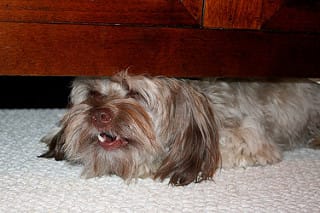
The short answer: build your dog a dark, enclosed den in the quietest room of the house, mask the bangs with steady sound rather than silence, and start desensitising two weeks before Diwali — not on the night. A snug anxiety wrap and a pheromone diffuser help many dogs; nothing helps a dog who is already in full panic, which is why the preparation matters more than anything you do on the night itself.
October and November is the season of festivals in India, and Diwali is the hardest week of the year for animals with sensitive ears. After seeing my first dog shivering at the noise, I stopped bursting crackers altogether. Having now raised three generations of dogs through Indian festival seasons, here is what has actually worked — and what turned out to be useless.
Why Diwali is harder on dogs than fireworks night elsewhere
Most advice you will find online is written for the UK's Bonfire Night or American July 4th — one evening, in one window, usually finished by midnight. Indian festival season does not work like that, and this is the single reason imported advice underperforms here:
- It lasts days, not hours. Crackers typically start well before Diwali and continue for several days after. A dog cannot stay in fight-or-flight for a week without it taking a toll.
- It is unpredictable. A single loud bomb at 2 a.m. from three streets away is worse for a dog than a scheduled display, because there is no pattern to habituate to.
- Apartment living amplifies it. Concrete stairwells and balconies carry sound. A ground-floor flat with an open corridor is often louder inside than outside.
- It is not only Diwali. Temple festivals across Tamil Nadu, Kerala and Maharashtra, wedding season and New Year's Eve all bring the same problem. What you build for Diwali serves the whole year.
What actually calms a dog during fireworks
Ranked roughly by how reliably each has worked, across three dogs and many Diwalis:
- A proper den. This is the one that matters most. Dogs hide when frightened because a small enclosed space genuinely lowers their stress. Pick the most interior room — a bathroom or a windowless store room beats the living room — and set up a covered crate or a bed under a table with a blanket over it. Leave the door open. Never shut a panicking dog in; a trapped dog will injure itself trying to get out.
- Sound masking, not silence. A quiet house makes each bang more startling. Steady, unchanging sound — a fan, an air conditioner, a white-noise track, or classical music at moderate volume — flattens the contrast. Turn it on before the noise starts, not after.
- A long walk in the afternoon. Get the exercise done well before dark, when the streets are still quiet. A physically satisfied dog that has eaten a full meal is far more likely to sleep through the evening. Do not walk a nervous dog after sunset during Diwali week, whatever the routine normally is.
- Being present and normal. You cannot reinforce fear by comforting a frightened dog — that old advice is wrong. Sit with them, speak in your ordinary voice, keep your own body relaxed. What you must not do is fuss, hover or radiate anxiety yourself, because dogs read that instantly.
- Distraction, while they are still calm enough to take it. A game of fetch, a stuffed chew toy, a lick mat or a puzzle feeder gives the brain something else to do. This works in the early stage and stops working entirely once panic sets in — which is exactly why you start early.
- Treats paired with the noise. Keep high-value treats in your pocket all week. Every distant bang, a treat appears. Done consistently over years, this is what flipped my own dogs from bolting outside and barking to sleeping through the evening. It is slow, and it is the only approach that produces a permanent change.
Start two weeks before Diwali
Almost everything that works needs a run-up. If Diwali is next week, do what you can — but put a reminder in your calendar for a fortnight ahead next year.
- Two weeks out — set up the den and start feeding your dog in it so it becomes a good place, not a place they only meet on a bad night. Begin playing firework sounds at very low volume during meals, raising it a notch every couple of days. Stop and drop the volume the moment your dog notices and tenses.
- One week out — introduce the anxiety wrap or pheromone diffuser now, not on the night. A wrap a dog has never worn before is one more strange thing on a frightening evening. Diffusers need roughly a week of continuous use to saturate a room.
- The day before — trim nails (a panicking dog scrabbling at doors does less damage), check that the collar ID and microchip details are current, and photograph your dog. Diwali week is the biggest week of the year for lost pets in Indian cities.
- On the day — walk early, feed a full meal at dusk, close windows and draw curtains, turn the masking sound on before dark, and get your dog settled in the den before the first cracker rather than after.
What to buy before Diwali
Nothing on this list is a cure, and a dog with genuine noise phobia needs a vet rather than a purchase. But these are the things that have earned their place, and buying them two weeks ahead is what makes them useful. Budget roughly ₹3,000–₹8,000 depending on how much your dog struggles.
- An anxiety wrap or calming vest — a snug garment applying gentle constant pressure, the same principle as swaddling an infant. It does not work for every dog, but for the ones it suits the difference is obvious. Size it properly and let your dog wear it around the house a few times first. Check current prices on Amazon.
- A pheromone diffuser — plug-in diffusers release a synthetic copy of the appeasing pheromone a nursing mother produces. Start it about a week ahead in the room where the den is, and leave it running through the festival. See options on Amazon.
- A covered crate or den bed — if you do not already crate, this is the year to start. Cover a wire crate with a heavy blanket, leave the door open, and make it the best place in the house all fortnight. Our dog crate guide has the breed-wise size chart, and the dog bed guide covers enclosed and bolster styles.
- A lick mat or puzzle feeder — sustained licking is genuinely self-soothing for dogs. Smear it with curd or peanut butter (xylitol-free) and freeze it in the afternoon. Check prices on Amazon.
- High-value treats, bought in bulk — you will get through more than you expect if you are pairing treats with every bang for a week. See treat options, and our dental chews guide covers long-lasting chews that double as a distraction.
- Calming supplements — milk-protein and L-theanine based supplements have modest evidence behind them and need several days of use to do anything. Treat them as a small contribution, not a solution, and clear them with your vet first. Check options, or see our dog supplements guide.
Some links above are Amazon affiliate links. If you buy through them we may earn a small commission at no extra cost to you — it does not change what we recommend. See our disclaimer.
What not to do
- Do not tie your dog up or shut them in. A panicking dog that cannot move will hurt itself. Confined space, yes; restraint, no.
- Do not take your dog out to "get used to it". Flooding a frightened animal with the thing it fears makes noise phobia worse, not better.
- Do not give human sedatives or leftover medication. Several common human drugs are toxic to dogs, and dosing is not something to guess at. If your dog needs medication, only a vet can prescribe it — and they will want to see you before the festival, not during it.
- Do not punish the fear. Barking, pacing, drooling and hiding are symptoms, not disobedience. Scolding adds you to the list of frightening things.
- Do not leave your dog alone if you can avoid it, and never leave them outdoors or on a balcony during festival week. Frightened dogs bolt, and they clear fences they would never normally attempt.
When your dog needs a vet, not a tip
Everything above is for ordinary fear. Some dogs have genuine noise phobia, which is a clinical condition and does not respond to blankets and biscuits. Book a vet appointment weeks before the festival if your dog shows any of these:
- Destructive escape attempts — chewing through doors, breaking windows, digging at floors
- Heavy drooling, uncontrolled trembling or vomiting that continues after the noise stops
- Refusing food and water for a full day
- Loss of bladder or bowel control in a house-trained adult dog
- Fear that has clearly worsened year on year
Vets can prescribe genuine anti-anxiety medication for the festival period, and it works far better than anything sold over the counter. It needs to be discussed and often trialled in advance, which is the whole reason to go early. A behaviourist can also run a proper desensitisation programme in the months between festivals.
A note on the street dogs outside
The dogs on your road have no den and nowhere to hide. If you can, leave a cardboard box on its side in a sheltered corner of the building, put water out, and check under parked cars before anyone drives off during festival week — frightened dogs shelter under vehicles and are killed that way every year. If you find an injured or panicked animal, your local animal welfare group will usually have a Diwali helpline running.
If you have a tip that has worked for your own dog, share it — this post gets updated every festival season.
Frequently asked questions
- How do I calm my dog during Diwali fireworks?
- Set up a dark, enclosed den in the most interior room of the house and leave the door open so your dog can come and go. Mask the bangs with steady sound — a fan, air conditioner or classical music — turned on before the noise starts rather than after. Walk and feed your dog well before dark, and sit with them normally. The preparation matters far more than anything you do on the night itself.
- When should I start preparing my dog for Diwali?
- Two weeks ahead. The den needs time to become a good place rather than somewhere your dog only meets on a bad night, sound desensitisation has to build gradually, and pheromone diffusers need about a week of continuous use before a room is saturated. An anxiety wrap introduced on the night is just one more strange thing on a frightening evening.
- Do anxiety vests and pheromone diffusers actually work for dogs?
- They help some dogs and do nothing for others. An anxiety wrap applies gentle constant pressure, on the same principle as swaddling an infant, and where it suits a dog the difference is obvious. Pheromone diffusers release a synthetic copy of the appeasing pheromone a nursing mother produces. Neither is a cure, and a dog with genuine noise phobia needs a vet rather than a purchase.
- Can I give my dog a sedative for Diwali?
- Not without a vet. Several common human medications are toxic to dogs and the dosing is not something to guess at. Vets can prescribe genuine anti-anxiety medication for the festival period and it works far better than anything sold over the counter — but it needs to be discussed and often trialled in advance, so book the appointment weeks before Diwali rather than during it.
- Does comforting a scared dog make the fear worse?
- No. That advice is wrong and has been abandoned. You cannot reinforce fear by being present for a frightened dog. Sit with them, speak in your ordinary voice and keep your own body relaxed. What does not help is fussing, hovering or radiating anxiety yourself, because dogs read that immediately.
- Why is Diwali harder on dogs than fireworks night in other countries?
- Because it lasts days rather than one evening, the bangs are unpredictable rather than scheduled, and concrete apartment buildings amplify the sound indoors. Most advice online is written for Bonfire Night or July 4th, which is a single controlled window. Indian festival season gives a dog no pattern to habituate to and little recovery time.
- When does my dog need to see a vet about noise fear?
- If they attempt destructive escape — chewing doors, breaking windows — drool heavily, tremble uncontrollably or vomit after the noise has stopped, refuse food and water for a full day, lose bladder or bowel control despite being house-trained, or if the fear has clearly worsened year on year. That is clinical noise phobia, and it does not respond to blankets and biscuits.
More on Cats
Kitten Milk Replacer in India (2026): Brands, Price & Feeding
Beaphar Lactol (~₹997) is the easiest kitten milk replacer to buy in India; Pet-Ag KMR is the imported gold standard. Best brands, prices & how to feed an orphaned kitten.
· 7 min read

What Can Cats Eat on Thanksgiving?
Thanksgiving is a time for family, gratitude, and of course, delicious food. As you gather around the table to enjoy a festive feast, it’s natural to want to…
· 2 min read
Can Cats Eat Turkey Necks?
As a cat owner, you may be wondering if it is safe to feed your feline friend turkey necks. Turkey necks are a popular choice for many pet owners due to their…
· 3 min read