Best Dog Food for Sensitive Stomach in India (2026)
The best sensitive-stomach dog food is a limited-ingredient, easily digestible formula with probiotics. India picks (Farmina, Acana), the grain-free truth & how to switch.
Pet Care Tips Editorial7 min read
If your dog has loose stools, gas, or the occasional bout of vomiting on its current food, a sensitive-stomach dog food can settle things down. The fix is usually a limited-ingredient, easily digestible formula with a single named protein, gentle carbs like rice or oats, added probiotics, and none of the corn, soy or artificial fillers that commonly trigger trouble. One caveat up front: persistent vomiting or diarrhoea is a vet visit, not just a food swap — it can signal worms, infection or illness. With that said, here are the best sensitive-stomach dog foods in India for 2026.
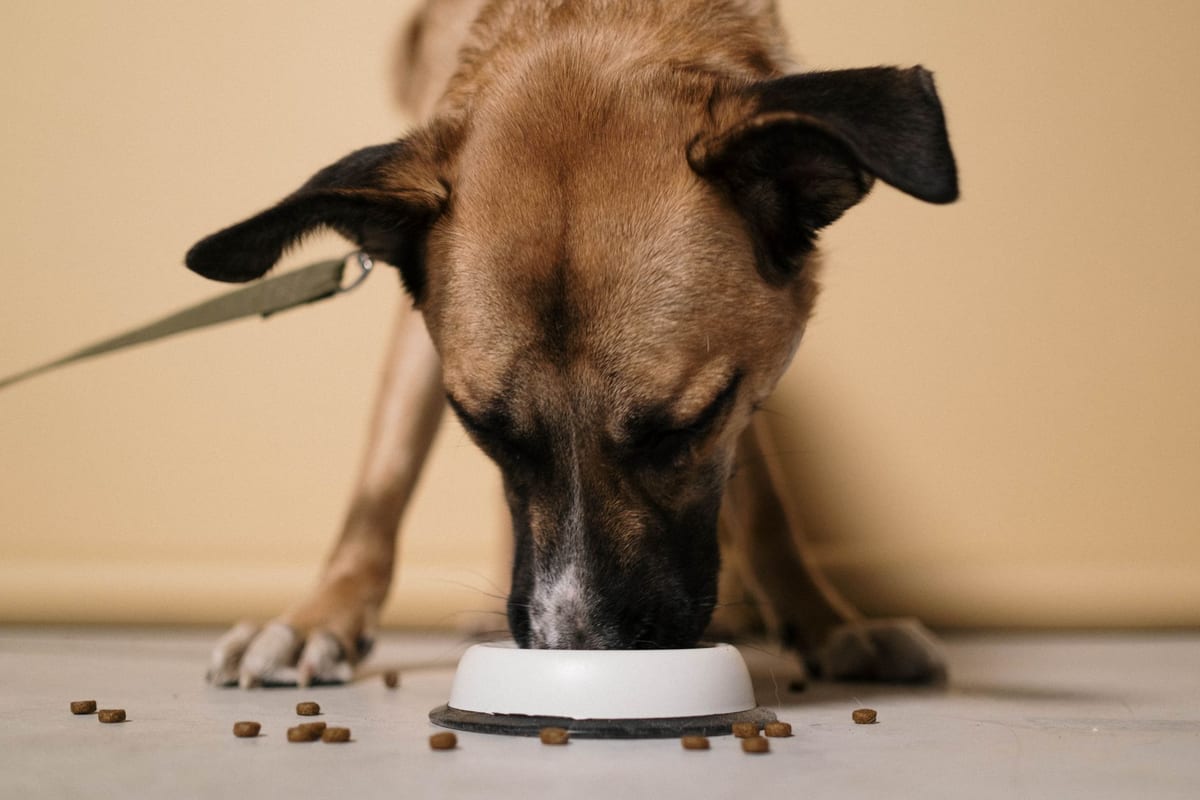
Signs your dog has a sensitive stomach
Typical signs of a food-related sensitive stomach are:
- soft or loose stools, on and off;
- excessive gas;
- occasional vomiting, especially after meals;
- a rumbling tummy or fussy, reluctant eating.
Red flags that mean a vet, not a new bag of food: blood in stool or vomit, repeated vomiting, lethargy, fever, or weight loss. Those point to something beyond diet.
What to look for in a sensitive-stomach food
- Limited ingredients (LID) — fewer components make it easier to spot and avoid a trigger.
- A single, named animal protein — "lamb" or "chicken", not a mix of unnamed meats.
- Easily digestible carbs — rice or oats rather than corn and wheat.
- Added probiotics and prebiotics to support gut bacteria.
- No corn, soy, artificial colours or preservatives.
Best dog food for sensitive stomach in India
Farmina N&D
The food vets in India most often suggest for dogs with sensitivities — grain-free or low-grain, high meat content, and gentle on digestion. Check the current price on Amazon.
Acana
AAFCO-certified, gluten- and soy-free, with 50%+ meat and fish — a strong mid-premium choice for a touchy gut. Check the current price on Amazon.
Royal Canin Gastrointestinal (vet diet)
A therapeutic, highly digestible diet for dogs with diagnosed digestive problems. Use it on your vet's recommendation, not as a casual pick. Check the current price on Amazon.
Pedigree (budget)
Not a specialist formula, but AAFCO-certified and affordable — a reasonable base for a healthy dog with mild fussiness. See our Pedigree review, and the wider best dog food in India and best dry dog food roundups for more options.
Small breeds with delicate digestion — like the Shih Tzu — often do best on these limited-ingredient foods.
Grain-free — do you actually need it?
Grain-free is not automatically better. It genuinely helps only when a dog has a diagnosed grain allergy or intolerance — and some grain-free diets have been linked to heart problems (dilated cardiomyopathy). For most dogs, a quality food with rice or oats is perfectly gentle. Let your vet decide whether grain-free is warranted rather than buying it by default.
How to switch foods without upsetting the stomach
Most "the new food upset my dog" stories are really switching too fast. Move over 7–10 days:
| Days | New food | Old food |
| 1–3 | 25% | 75% |
| 4–6 | 50% | 50% |
| 7–9 | 75% | 25% |
| 10+ | 100% | — |
For a dog with a known sensitive stomach, stretch this to two weeks and watch for vomiting or diarrhoea at each step. A probiotic can help during the change — see our guide to dog supplements.
When it's not the food
If a careful food switch doesn't help, the cause may not be diet at all — worms, an infection, pancreatitis or inflammatory bowel disease all cause similar signs. A short course of plain boiled chicken and rice can rest the gut for a day or two, but ongoing trouble needs a vet to investigate rather than another bag of food.
Common triggers, and wet vs dry
If you're trying to pin down what upsets your dog, the usual suspects are corn, wheat, soy, dairy, artificial colours and preservatives, and rich or fatty table scraps. A limited-ingredient food helps precisely because it strips these out, leaving fewer things to react to. Beef and chicken are also common protein sensitivities — some dogs settle better on lamb, fish or a novel protein they've never eaten before.
On wet versus dry: wet food is easier to digest and more tempting for a fussy eater, while a good dry kibble is better for teeth and budget. Many owners land on dry as the base with a spoonful of wet mixed in. Whichever you pick, keep it limited-ingredient and switch over slowly.
The bottom line
For a dog with a genuinely sensitive stomach, choose a limited-ingredient, easily digestible food — Farmina N&D or Acana are the go-to India picks, with Royal Canin Gastrointestinal for vet-diagnosed cases — switch to it slowly, and add a probiotic. If symptoms persist through all that, the answer is a vet, not another brand.
Frequently asked questions
- What is the best dog food for a sensitive stomach in India?
- A limited-ingredient, easily digestible food with a single named protein and added probiotics. Farmina N&D and Acana are the go-to India picks; Royal Canin Gastrointestinal is a vet-prescribed therapeutic diet for diagnosed cases.
- Is grain-free dog food better for a sensitive stomach?
- Not automatically. Grain-free helps only with a diagnosed grain allergy, and some grain-free diets have been linked to heart problems. For most dogs, a quality food with rice or oats is gentle. Let your vet decide if grain-free is needed.
- How do I switch my dog to a new food without upsetting its stomach?
- Transition over 7–10 days — about 25% new food for days 1–3, 50% days 4–6, 75% days 7–9, then 100%. For a sensitive dog, stretch this to two weeks and watch for vomiting or loose stools at each step.
- Why does my dog keep getting loose stools?
- Common causes are a food that doesn't suit it, switching food too fast, or eating something it shouldn't. But persistent diarrhoea can also mean worms, infection or illness — if a careful food change doesn't fix it, see your vet.
- Can I feed boiled chicken and rice for a sensitive stomach?
- Plain boiled chicken and rice can rest an upset gut for a day or two, but it is not balanced for the long term. Use it as a short-term settler, then move back to a complete sensitive-stomach food — and see a vet if symptoms continue.
More on Dogs
Drools vs Pedigree 2026: Which Dog Food Is Better?
Drools Focus wins on ingredients at ~₹420/kg; Pedigree wins on price at ~₹165-240/kg. They are two tiers apart — compare within a tier, not across brands.
· 8 min read
Smart Heart Dog Food Review (India 2026): Price & Verdict
Is SmartHeart dog food any good? Honest India review: the cheapest branded kibble at ~₹125-150/kg, grain-led, fine for a healthy adult. Price table + verdict.
· 7 min read

Best Dog Bed in India (2026): Types, Sizes & Top Picks
The best dog bed in India fits your dog's size and the heat: orthopedic foam for seniors, an elevated cooling bed (~₹1,772) for summer. Size guide, types & 2026 picks.
· 7 min read